Magazine
"Astrua": all the value of a name
In the not too distant past, the link between haute horlogerie and the most exclusive dealers was different from today. Today, the presence of the emblazoned maisons in a shop enhances its exclusivity and luxury. But it was not always so: on the contrary, in the early days of nineteenth-century watchmaking, manufacturers were still small craftsmen's workshops, far from the status of international 'brands', and the watchmaker-shopkeepers, on the strength of their local roots and the trust their work generated in their customers, attested to the goodness and prestige of watch brands by the mere fact of having them in their shops.
Not so long ago, the link between haute horlogerie and the most exclusive dealers was different from today.
Today, the presence of the emblazoned maison in a shop enhances its exclusivity and luxury.
But it was not always like this: on the contrary, in the early days of nineteenth-century watchmaking, the manufacturers were still small artisan workshops, far from the status of international 'brands', and the shopkeepers - watchmakers, on the strength of their roots in the territory and the trust that their work generated in their customers, attested to the goodness and prestige of the watch brands by the mere fact of having them in their shops.
Customers placed their trust in the master watchmaker, who did more than just sell, as the watches arrived from the Houses unassembled, and his job was also to meticulously assemble the timepiece and adjust it expertly.
This is how modern haute horlogerie was born: from the fruitful link between the artisans creators of watches and the artisans sellers, in a dynamic process in which the latter were the name that attracted buyers.
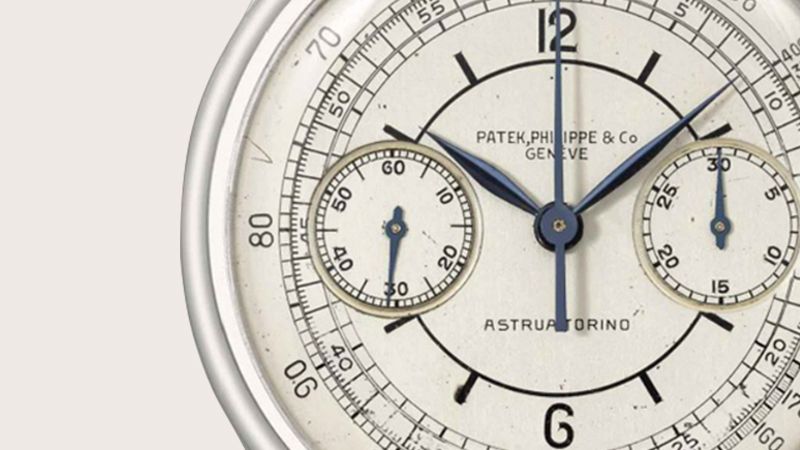
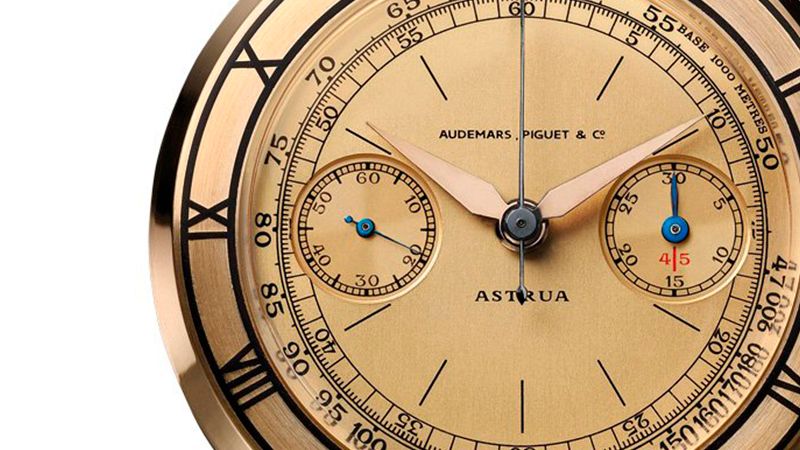
As evidence of this, we can still see some of the most important vintage watches bearing on the dial not only the name of the manufacturer but also that of the watchmaker seller, and very rare timepieces of brands such as Patek Philippe or such as Rolex are still sold at international auctions with the name of Astrua stamped on the dial, a real guarantee of value over time of one's investment.
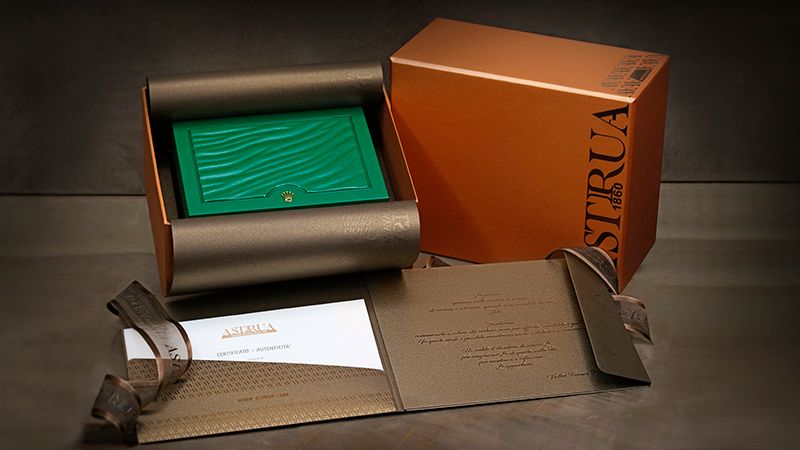
Vincenzo Astrua, who had opened his workshop in 1860, had pioneeringly perceived the added value of image that his shop brought to the watch, and in addition to his own signature on the dials, the timepieces that came out of his workshop were accompanied by his unmistakable boxes and by the certificates penned by Astrua attesting to their originality and good functioning.
And still today in the Astrua workshops, which have become luxury boutiques of international appeal, the ancient tradition of the Founder is perpetuated: every precious artefact and every watch are enclosed in our iconic boxes, a sign of the style that distinguishes us, and accurate booklets continue to certify, as one hundred and sixty years ago, the authentic quality of what we sell, the accuracy of our savoir-faire and the passion for our work.